
Over 38 million American micro businesses operate with fewer than five employees, shaping a major force in the economy. These nimble ventures fuel innovation, drive local job creation, and reflect a spirit of resourcefulness unique to the American entrepreneurial tradition. Understanding core micro business concepts gives aspiring entrepreneurs the clarity to differentiate their own path in a crowded marketplace and pursue opportunities where personal passion meets practical strategy.
Table of Contents
- Defining Micro Business: Core Concepts Clarified
- Key Types of Micro Businesses Today
- Essential Steps to Start a Micro Business
- Legal and Regulatory Requirements Explained
- Financial Costs, Taxes, and Common Pitfalls
Key Takeaways
| Point | Details |
|---|---|
| Definition of Micro Businesses | Micro businesses are small enterprises typically employing fewer than 5 people, with annual revenues under $50,000, often operating with high flexibility and minimal external funding. |
| Types of Micro Businesses | Digital micro businesses have emerged in various sectors such as freelance services, online retail, and digital content creation, leveraging technology for scalability and efficiency. |
| Essential Steps for Launching | Successful entrepreneurs should prioritize market research, business planning, and establishing a solid digital presence to create a sustainable micro business. |
| Understanding Legal Compliance | Entrepreneurs need to navigate the regulatory landscape carefully, ensuring compliance with business registration, taxation, and industry-specific regulations to foster growth. |
Defining Micro Business: Core Concepts Clarified
Micro businesses represent the smallest operational units in the entrepreneurial ecosystem, typically characterized by minimal staff and limited financial resources. These nimble enterprises often emerge from individual passion, specialized skills, or innovative ideas that can be launched with relatively low startup costs. Unlike traditional small businesses, micro businesses focus on hyper-targeted market segments and frequently operate with extreme resource efficiency.
Academic research highlights the critical economic significance of micro businesses. According to research examining their role in economic development, these enterprises contribute substantially to job creation and economic resilience, especially in emerging markets. Key characteristics that distinguish micro businesses include:
- Typically employing fewer than 5 people
- Annual revenues under $50,000
- Often home-based or entirely digital operations
- High flexibility and rapid adaptation capabilities
- Minimal external funding requirements
Understanding the nuanced differences between startup models can help entrepreneurs strategically position their micro business for maximum growth potential. While larger enterprises might require complex infrastructures, micro businesses thrive through lean operations, personal networks, and targeted digital marketing strategies that leverage technology for scalability. Their success hinges not on size, but on innovative approaches, niche expertise, and the founder’s ability to solve specific market problems efficiently.

Key Types of Micro Businesses Today
The landscape of micro businesses has dramatically transformed with digital technologies, creating diverse entrepreneurial opportunities across multiple domains. Contemporary micro businesses span a wide range of industries, each leveraging unique skills, technologies, and market opportunities to generate income and create value.
Digital micro businesses have emerged as particularly dynamic, encompassing several prominent categories:
- Freelance Services: Writing, design, programming, consulting
- Online Retail: Dropshipping, handmade crafts, print-on-demand merchandise
- Content Creation: Podcasting, YouTube channels, blogging, social media influencing
- Digital Products: Online courses, ebooks, software plugins, digital templates
- Gig Economy Platforms: Ride sharing, task completion, specialized skill marketplaces
Entrepreneurs seeking resilient business models might explore recession-resistant business strategies that provide stability during economic uncertainties. These micro business models share critical attributes: low startup costs, flexible operations, scalable digital infrastructure, and the ability to quickly adapt to changing market conditions. The most successful micro businesses typically combine specialized expertise, technological savvy, and a deep understanding of niche market needs.
Modern micro businesses are not just about generating income but creating meaningful work experiences that align with personal passions and lifestyle goals. Whether operating as a solo digital nomad, a home-based craftsperson, or a tech-enabled service provider, these enterprises represent a new paradigm of work that prioritizes personal autonomy, creative expression, and strategic flexibility over traditional employment models.
Essential Steps to Start a Micro Business
Launching a micro business requires strategic planning, careful market analysis, and a willingness to adapt quickly. Successful entrepreneurs understand that the foundation of any thriving micro business lies in transforming a passionate idea into a structured, sustainable venture that addresses specific market needs and leverages personal expertise.
Based on comprehensive business insights, entrepreneurs must focus on several critical preparatory steps:
-
Market Research
- Identify target audience and niche
- Analyze competitor landscape
- Validate business concept
-
Business Planning
- Develop clear business structure and model
- Create financial projections
- Define unique value proposition
-
Legal and Financial Setup
- Register business entity
- Open dedicated business bank account
- Understand tax obligations
-
Digital Infrastructure
- Build minimal viable website
- Set up digital payment systems
- Establish online presence
Entrepreneurs must approach their micro business with both creativity and systematic rigor. Conducting thorough business opportunity analysis helps minimize risks and maximize potential for sustainable growth. This involves understanding market dynamics, identifying potential challenges, and developing flexible strategies that can adapt to changing economic conditions.
The most successful micro businesses are those that combine passion with pragmatic execution. By focusing on lean operations, continuous learning, and maintaining a customer-centric approach, entrepreneurs can transform their initial concept into a resilient and potentially scalable business model that provides both personal fulfillment and financial sustainability.
Legal and Regulatory Requirements Explained
Micro businesses navigate a complex regulatory landscape that requires careful understanding and strategic compliance. The legal framework surrounding these small enterprises can seem intricate, but breaking down the essential requirements makes the process more manageable for entrepreneurs seeking to establish their ventures legally and professionally.
Key Legal Considerations for Micro Businesses:
-
Business Registration
- Choose appropriate business structure
- Obtain necessary local and state permits
- Secure tax identification numbers
-
Taxation Requirements
- Understand self-employment tax obligations
- Maintain accurate financial records
- Quarterly estimated tax payments
-
Regulatory Compliance
- Industry-specific licensing
- Zoning and home business regulations
- Intellectual property protections
Research highlights the ongoing challenges of regulatory recognition for micro businesses, particularly in defining their unique economic role. Many jurisdictions struggle to create tailored frameworks that acknowledge the distinctive characteristics of these small-scale enterprises.
Entrepreneurs must proactively manage their legal obligations by consulting local authorities, potentially working with a small business attorney, and staying informed about evolving regulations. Successful micro business owners view legal compliance not as a burden, but as a strategic opportunity to establish credibility, protect their interests, and create a solid foundation for sustainable growth. The most resilient micro businesses approach legal requirements with a combination of diligence, adaptability, and strategic foresight.
Financial Costs, Taxes, and Common Pitfalls
Financial management represents the critical backbone of any successful micro business, with entrepreneurs needing to navigate a complex landscape of expenses, tax obligations, and potential financial risks. The initial investment for most micro businesses remains relatively low, but strategic financial planning can mean the difference between sustainable growth and premature failure.
Startup Cost Breakdown:
- Initial Investment Range
- Digital businesses: $500 - $5,000
- Service-based businesses: $1,000 - $10,000
- Product-based businesses: $2,000 - $20,000
Common Financial Pitfalls:
- Underestimating operating expenses
- Inadequate cash flow management
- Poor tax planning and record keeping
- Mixing personal and business finances
- Failing to establish financial reserves
Entrepreneurs can proactively mitigate financial risks by developing comprehensive business planning strategies that account for potential economic fluctuations. Smart micro business owners treat their financial systems as living frameworks, continuously adjusting budgets, tracking expenses, and maintaining flexibility in their economic approach.
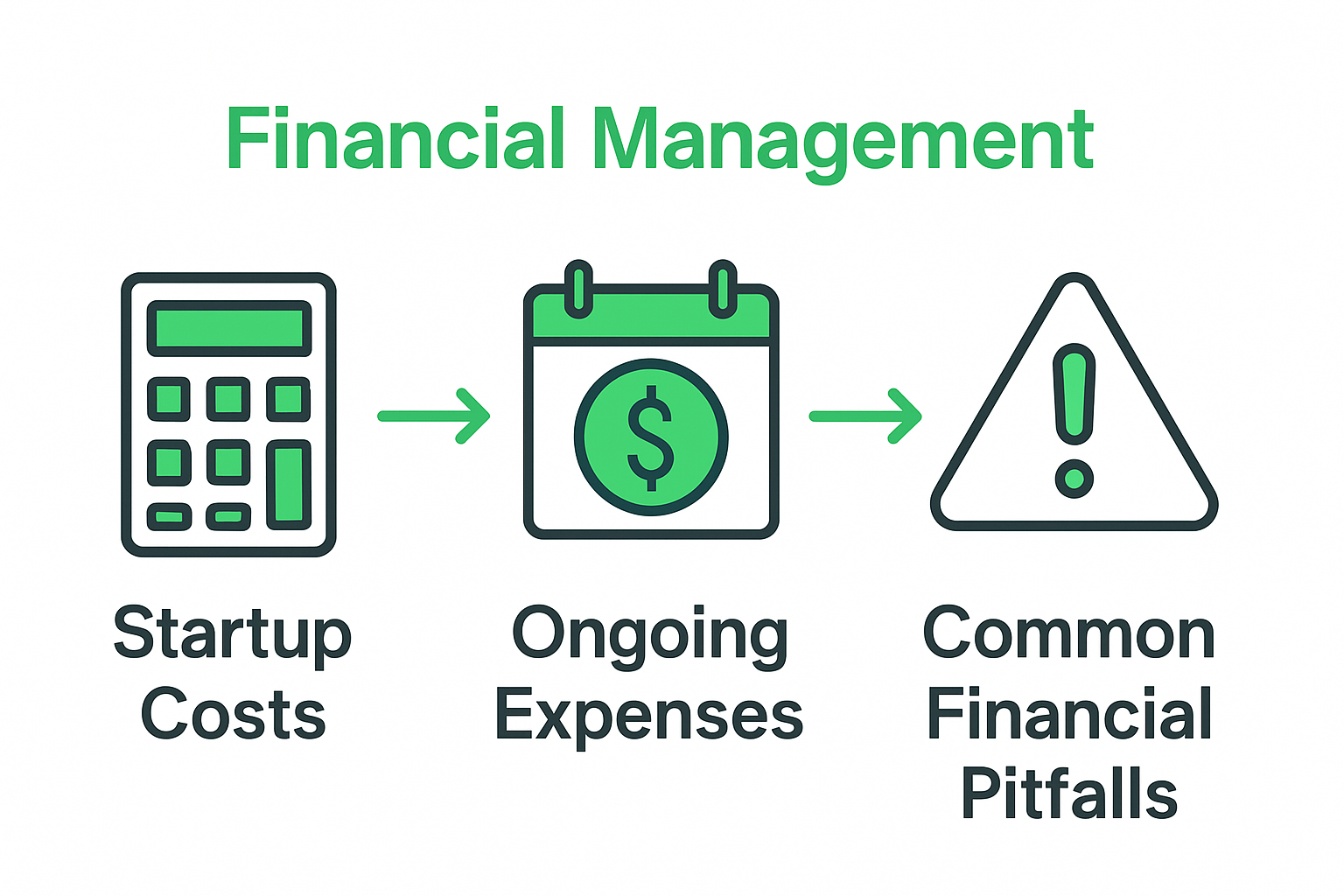
The most resilient micro businesses recognize that financial management extends beyond simple bookkeeping. It requires a holistic understanding of revenue streams, strategic investment, tax efficiency, and maintaining a robust financial cushion that can weather unexpected challenges. Successful entrepreneurs view their finances not as a constraint, but as a dynamic tool for generating sustainable growth and creating meaningful economic opportunities.
Unlock Your Micro Business Potential with Smart Strategy Support
The journey from a passionate idea to a successful micro business is full of challenges such as market research, financial planning, and legal compliance. If you want to avoid common pitfalls like underestimating costs or mixing personal and business finances, you need a clear plan that guides you step-by-step. Key concepts like validating your business model and defining a unique value proposition require personalized insight to gain confidence and reduce risk.
At siift.ai, our Intelligent Business Canvas offers exactly this kind of solution. With AI-driven feedback and prioritized actions tailored to your micro business goals, you can confidently navigate everything from ideation to launch. Explore how to choose a business structure simply and use comprehensive business plan essentials that turn uncertainty into actionable strategy. Start now with the siift.ai platform and transform your micro business dream into a sustainable reality.
Frequently Asked Questions
What defines a micro business?
A micro business is typically characterized by having fewer than 5 employees and generating annual revenues under $50,000. They often operate with minimal external funding and specialize in niche markets, focusing on efficient resource use.
What types of micro businesses are common today?
Common types of micro businesses include freelance services (like writing and design), online retail (such as dropshipping and handmade crafts), content creation (including blogging and podcasting), and digital products (like online courses and ebooks).
What are the essential steps to start a micro business?
To start a micro business, you should conduct market research to identify your niche, develop a business plan that outlines your structure and financial projections, set up the necessary legal and financial frameworks, and establish your digital infrastructure with an online presence.
What are the common financial pitfalls for micro businesses?
Common financial pitfalls include underestimating operating expenses, inadequate cash flow management, poor tax planning, mixing personal and business finances, and failing to establish financial reserves.
Recommended
- blog | siift | Startup vs Small Business: What’s Right for You?
- blog | siift | Business Plan Essentials 2025: A Beginner’s Guide for New Founders
- blog | siift | 10 Essential Habits of Successful Entrepreneurs Explained
- blog | siift | Business Resilience Strategies for Beginners 2025 Guide
- Cannabis Accounting - Cannabis Business Minds
- Legal Marketing for Small Firms A Complete Guide