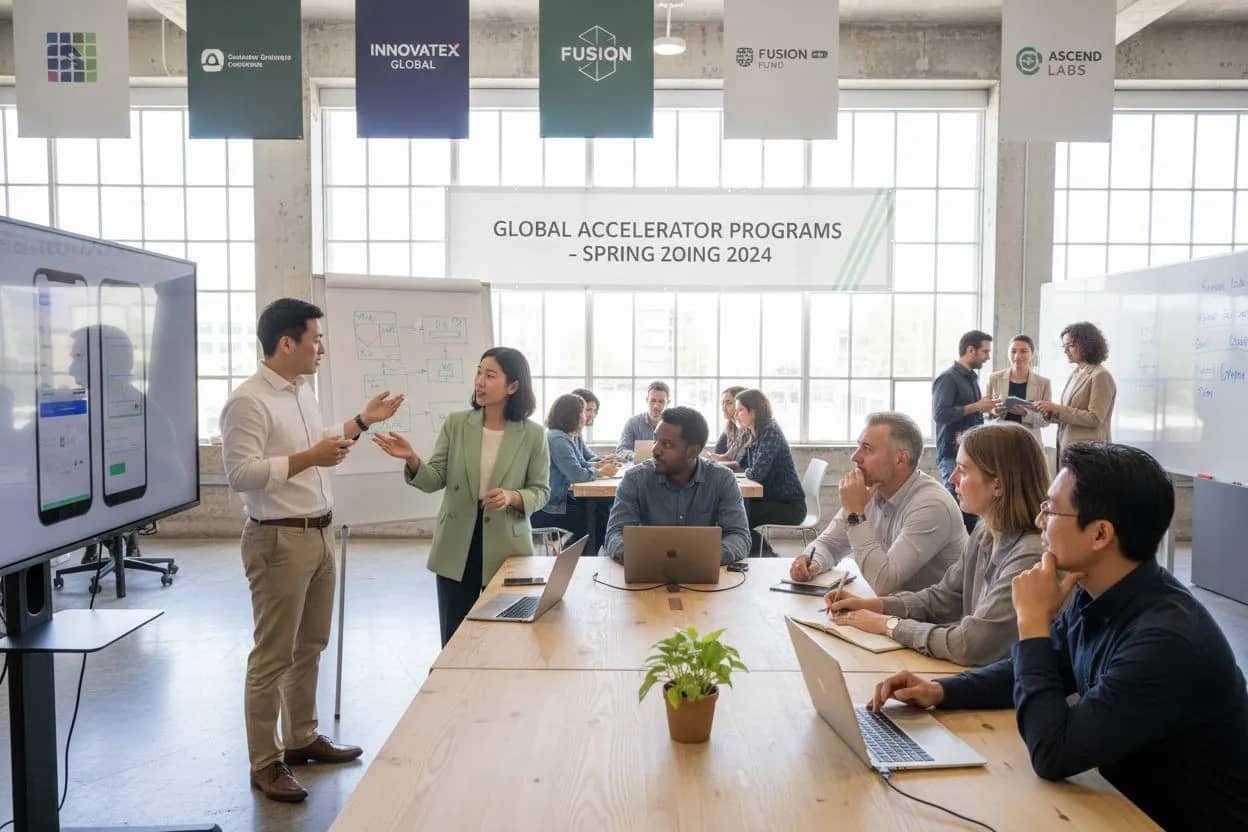
Did you know that over 7,000 startup accelerators operate around the world, fueling innovation at record speed? With fierce competition and limited resources, early-stage founders need targeted support to turn promising ideas into real companies. Understanding how accelerators work can reveal a clear pathway to investment, mentorship, and fast growth—especially when every decision can shape your venture’s survival or success.
Key Takeaways
| Point | Details |
|---|---|
| Accelerators vs. Incubators | Startup accelerators offer structured, time-limited programs focusing on rapid growth, while incubators provide flexible, long-term support without equity requirements. |
| Core Offerings of Accelerators | They typically provide seed funding, mentorship, a structured curriculum, and networking opportunities, culminating in a demo day for startups. |
| Application Requirements | Successful applicants need a working prototype, a strong founding team, market potential, and technical feasibility to stand out in the competitive selection process. |
| Advantages and Disadvantages | While accelerators offer essential funding and mentorship, they may lead to equity dilution and intense time constraints, requiring careful consideration from entrepreneurs. |
Table of Contents
- Defining Startup Accelerators And Core Concepts
- Types Of Startup Accelerators Worldwide
- How Startup Accelerators Operate And Support Startups
- Key Requirements And Application Strategies
- Major Benefits And Potential Drawbacks
- Comparing Accelerators To Incubators And Alternatives
Defining Startup Accelerators and Core Concepts
A startup accelerator is an intensive, time-limited program designed to help early-stage entrepreneurs rapidly grow their businesses through mentorship, funding, and strategic networking. Unlike traditional business support models, accelerators provide a structured pathway for transforming promising ideas into viable companies.
According to research on startup ecosystem dynamics, accelerators typically offer:
- Seed funding: Usually between $10,000 to $150,000 in exchange for equity
- Mentorship: Access to experienced entrepreneurs and industry experts
- Structured curriculum: Intensive workshops focusing on business development
- Networking opportunities: Connections with potential investors and peers
- Demo day: Final pitch event where startups present to potential investors
The core philosophy behind accelerators is rapid iteration and validation. These programs compress years of traditional business learning into a few intense months, helping founders quickly test assumptions, refine business models, and build investment-ready ventures. Participants get concentrated guidance that would typically take years to accumulate independently.
While traditional accelerators like Y Combinator and Techstars have set global standards, the landscape is evolving. Emerging platforms like siift are reimagining startup support by offering more accessible, remote, and personalized growth pathways that democratize entrepreneurial resources beyond the limited cohorts of traditional accelerator programs.
Types of Startup Accelerators Worldwide
Startup accelerators are not a one-size-fits-all model. According to research on global startup ecosystems, they can be categorized into several distinct types, each serving unique entrepreneurial needs and industry contexts.
Vertical Accelerators
Vertical accelerators focus on specific industry domains, providing deeply specialized support. Examples include:
- Fintech accelerators: Targeting financial technology innovations
- Healthcare tech accelerators: Supporting medical and biotechnology startups
- Cleantech accelerators: Focusing on sustainable and environmental technologies
Horizontal Accelerators
These programs support startups across multiple sectors, offering broader but less specialized guidance. Research from startup ecosystem analysis highlights their generalist approach, which allows for cross-industry learning and networking.
Specialized Accelerator Models
- Corporate accelerators: Sponsored by large companies seeking innovation
- University-affiliated programs: Leveraging academic resources and research networks
- Social impact accelerators: Supporting ventures with strong mission-driven goals
The diversity of accelerator types reflects the complex needs of modern entrepreneurs. Learn more about alternative startup support models that can complement traditional accelerator programs and provide flexible growth pathways.
How Startup Accelerators Operate and Support Startups
Startup accelerators function as intensive, time-limited programs designed to transform early-stage ventures through strategic support and resources. According to research on accelerator operations, these programs typically follow a structured approach that compresses years of business development into a few critical months.
Core Operational Characteristics
Most accelerator programs share fundamental operational features:
- Fixed Duration: Typically 3-4 month cohort-based programs
- Seed Funding: Initial investment ranging from $10,000 to $150,000
- Equity Exchange: Startups provide 5-10% company equity in return for support
- Milestone-Driven Curriculum: Structured learning and development stages
Mentorship and Support Ecosystem
Accelerators create comprehensive support networks by:
- Connecting founders with experienced industry mentors
- Providing access to extensive investor networks
- Offering intensive workshops on critical business skills
- Facilitating peer-to-peer learning environments
The Culmination: Demo Day
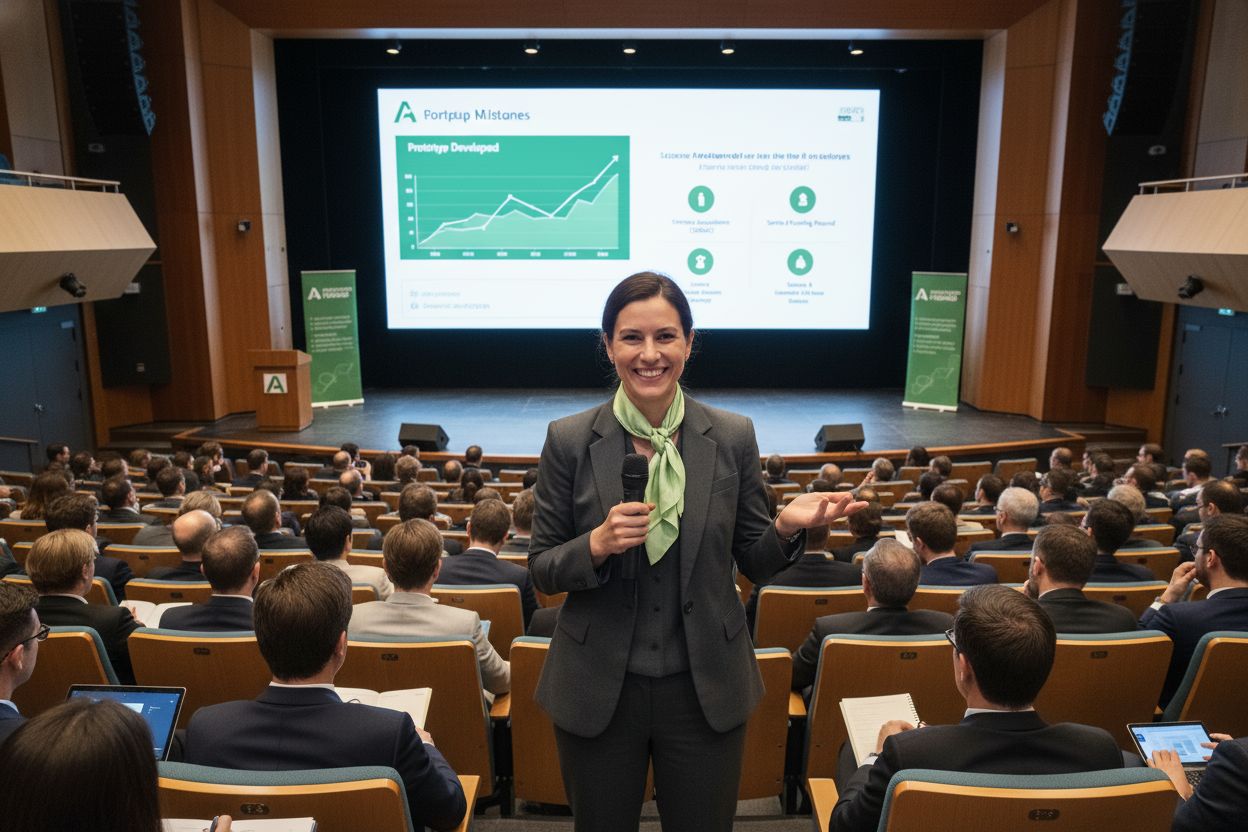
The program typically concludes with a demo day, where startups pitch to potential investors, representing the ultimate validation of their accelerator journey.
 Learn more about developing a robust startup methodology that can complement accelerator learnings and improve your entrepreneurial strategy.
Key Requirements and Application Strategies
Startup accelerator applications are highly competitive, demanding more than just a good idea. According to research on accelerator selection criteria, successful applicants need a combination of strategic preparation, proven potential, and compelling presentation.
Essential Application Requirements
Most accelerators look for startups that demonstrate:
- Working Prototype: A functional minimum viable product (MVP)
- Strong Founding Team: Diverse skills and proven collaboration
- Market Potential: Clear scalability and growth opportunity
- Technical Feasibility: Demonstrable technological innovation
Crafting a Winning Application
Successful application strategies involve:
- Highlighting unique market positioning
- Showing early customer traction or validation
- Presenting a clear, concise business narrative
- Demonstrating team’s capability and commitment
Competitive Selection Process
Accelerator selection is rigorous. They typically evaluate applications based on:
- Innovation potential
- Market size and accessibility
- Team’s expertise and adaptability
- Alignment with accelerator’s focus area
Discover strategic approaches to startup development that can enhance your application’s competitiveness and increase your chances of selection.
Major Benefits and Potential Drawbacks
Startup accelerators present a complex landscape of opportunities and challenges. According to comprehensive research on accelerator ecosystems, these programs offer transformative benefits while simultaneously presenting significant strategic considerations for entrepreneurs.
Key Advantages
The primary benefits of joining a startup accelerator include:
- Seed Funding: Critical initial capital to jumpstart operations
- Mentorship: Direct guidance from experienced entrepreneurs
- Investor Connections: Enhanced networking and potential funding opportunities
- Rapid Learning: Compressed entrepreneurial education
- Credibility Boost: Prestigious program association increases startup legitimacy
Potential Drawbacks
Entrepreneurs must carefully evaluate potential challenges:
- Equity Dilution: Giving up 5-10% ownership in exchange for support
- Intense Timeframes: Extremely compressed 3-4 month programs
- Potential Misalignment: Risk of diverging from original vision
- High Competition: Difficult selection processes
Strategic Considerations
Successful founders approach accelerators as strategic partnerships, understanding both the immense potential and inherent risks. Explore alternative startup development strategies that can complement or serve as alternatives to traditional accelerator models.
Comparing Accelerators to Incubators and Alternatives
Startup support models are not one-size-fits-all. According to research on entrepreneurial ecosystems, different support structures offer unique advantages for early-stage ventures.
Key Differences in Support Models
Here’s a comparison of key differences between accelerators and incubators:

| Feature | Startup Accelerators | Startup Incubators |
|---|---|---|
| Program Duration | 3-4 months | Flexible, open-ended |
| Equity Requirement | Yes, 5-10% equity | Often no equity required |
| Support Style | Cohort-based, structured | Individualized, ongoing |
| Resources Provided | Mentorship, funding, network | Workspace, resources, network |
| Focus | Rapid growth, validation | Long-term nurturing |
Accelerators
- Structured Program: Fixed 3-4 month duration
- Equity-Based: Require startup equity in exchange for funding
- Cohort-Driven: Competitive, time-bounded groups
- Intensive Mentorship: Focused, rapid-growth approach
Incubators
- Flexible Timeline: Open-ended support
- Non-Equity Support: Often provide workspace and resources
- Longer-Term Nurturing: Less time-constrained development
- Broader Resource Access: Physical infrastructure and networking
Alternative Startup Support Options
Entrepreneurs have multiple pathways beyond traditional models:
- Venture Capital: Direct funding without structured programs
- Angel Investors: Individual financial and mentorship support
- Online Platforms: Digital resources and networking
Discover innovative approaches to startup development that can provide flexible, personalized support tailored to your specific entrepreneurial journey.
Ready to Accelerate Your Entrepreneurial Growth Without the Pressure?
Navigating traditional startup accelerators often means racing against strict deadlines, giving up equity, and facing fierce competition just for a chance at mentorship. The article dives deep into common pain points like intense cohort models, limited access to resources, and high stakes demo days that can leave founders feeling overwhelmed and unsupported. What if you could access tailored guidance, actionable feedback, and proven strategies for startup success, without the fear of gatekeepers or the stress of equity compromise?
siift is your founder’s compass. Whether you crave personalized startup mentorship or want a clear path to de-risk your entrepreneurial journey, you do not need to go it alone. Experience intuitive, AI-powered support designed to help you build, validate, and grow at your own pace. Get new insights and prioritized actions for your unique startup goals right now. Take the next step toward building your business with confidence and clarity. Start your journey with siift today and discover a smarter way to accelerate your dream.
Frequently Asked Questions
What is a startup accelerator?
A startup accelerator is a time-limited program designed to help early-stage entrepreneurs grow their businesses rapidly through mentorship, funding, and networking, compressing years of traditional business education into a few months.
What types of support do startup accelerators provide?
Startup accelerators typically offer seed funding, mentorship from experienced industry experts, structured workshops, networking opportunities, and final pitch events known as demo days where startups present to investors.
What are the main differences between startup accelerators and incubators?
Startup accelerators usually have fixed-duration programs (3-4 months) and require equity in exchange for funding, focusing on rapid growth. In contrast, incubators offer flexible support timelines often without equity requirements and provide resources like workspace and long-term nurturing.
How can I increase my chances of being accepted into a startup accelerator?
To improve your chances, ensure you have a working prototype, a strong founding team, and a clear market potential. Craft a compelling application that highlights your unique value proposition, customer traction, and your team’s capabilities.
Recommended
- blog | siift | What is a Business Incubator? Understanding Its Role in Startups
- blog | siift | Top Business Grants for Startups (2025): A Simple Guide
- blog | siift | Top Growth Strategies for Startups in 2025: Practical Steps for Beginners
- blog | siift | Startup vs Small Business: What’s Right for You?
- Digital Marketing for Startups in 2025: Proven Growth Tactics