TL;DR:
Emotional resilience is a learnable skill that depends on emotional regulation, physical health, and social support. Practicing small, consistent habits like naming emotions and maintaining deep relationships strengthens resilience over time. Physical health, quality relationships, and deliberate practice enable individuals to recover from adversity more effectively.
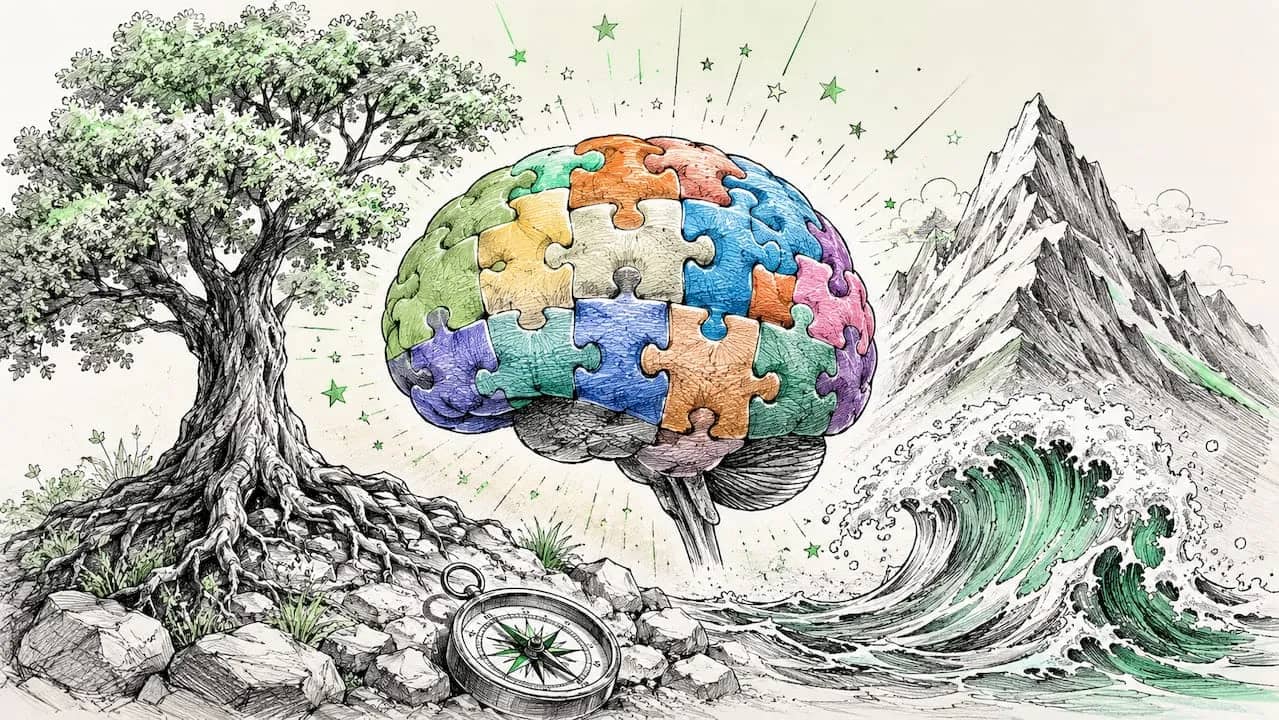
Emotional resilience is defined as the ability to adapt, recover, and stay grounded when stress and adversity hit hard. It is not a fixed personality trait you either have or lack. Research confirms it is a dynamic, learnable process, with social support and emotional regulation as its strongest predictors across three decades of adversity studies. The good news: the right emotional resilience tips give you a concrete path to build this skill, starting today. Physical health, meaningful relationships, and practiced emotional skills form the three pillars that hold everything else up.
1. What are the top emotional resilience tips backed by research?
Building emotional strength starts with a clear, repeatable set of practices. These are not feel-good platitudes. Each one is grounded in how the brain and body actually respond to stress.
Name your emotions out loud
Labeling an emotion, “I feel anxious,” “I feel humiliated,” activates the prefrontal cortex and reduces the brain’s threat response. This is called affect labeling, and it works fast. You do not need a therapist in the room. A journal, a voice memo, or even a quiet moment of honest self-talk does the job.
Reframe, but stay realistic
Cognitive reframing means finding a different, more accurate interpretation of a stressful event. The key word is accurate. Telling yourself “everything is fine” when it clearly is not creates toxic positivity. Instead, ask: “What is actually within my control here?” That question alone shifts your brain from panic mode to problem-solving mode.
Practice self-compassion, not self-criticism
Self-compassion during adversity prevents compounding pain and is central to sustaining resilience over time. Treat yourself the way you would treat a close friend who just failed at something. The internal critic is loud, but it is not useful.
Set small, winnable goals
True resilience builds through graduated challenge, sometimes called stress inoculation. You face manageable adversity repeatedly until your confidence grows. Start with a slightly uncomfortable task, complete it, then raise the bar. Small wins compound into real self-efficacy, which is a key driver of resilience.
Use paced breathing to reset your nervous system
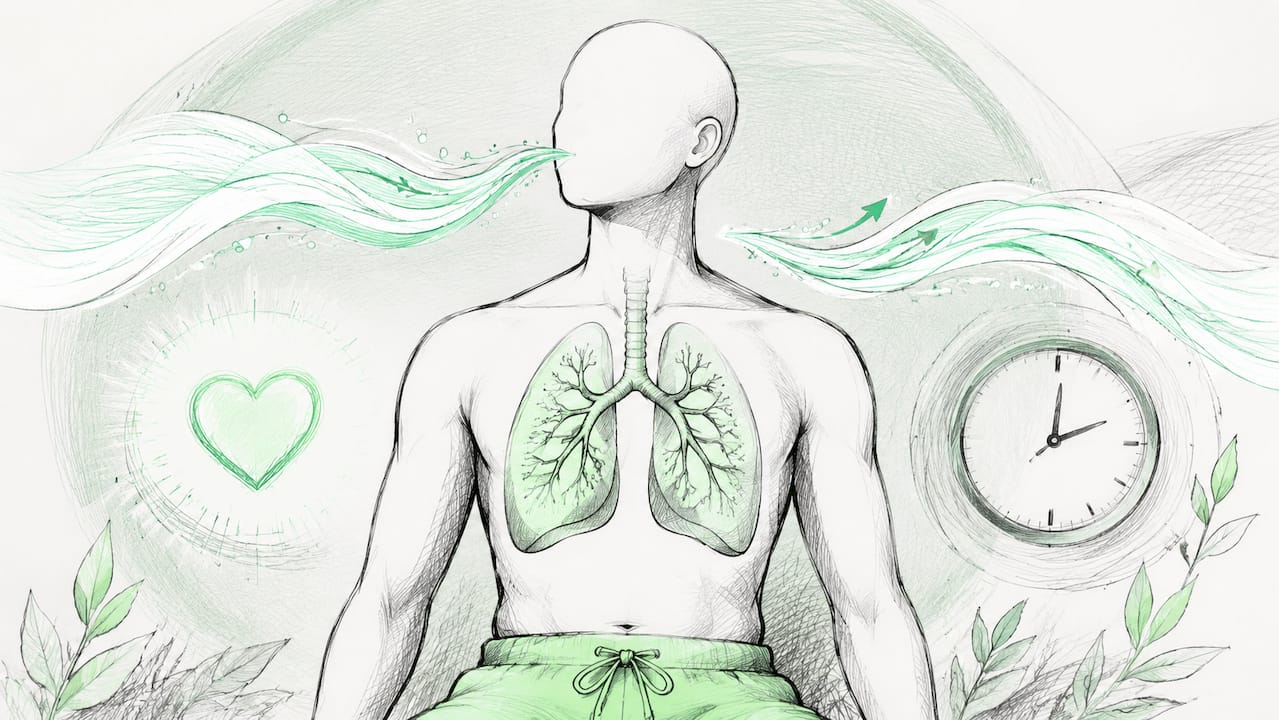
Slow, deliberate breathing, typically four counts in and six counts out, activates the parasympathetic nervous system. This is not meditation. It is a physiological interrupt. You can do it at your desk, in your car, or before a difficult conversation.
Avoid toxic positivity
Forcing yourself to “look on the bright side” before you have processed a genuine loss creates emotional brittleness. Suppressing emotions rather than regulating them leads to later breakdown. Allow yourself to feel what is real, then move forward with intention.
Integrate mindfulness into daily routines
Mindfulness does not require a meditation cushion or a 30-minute block. A two-minute body scan before a meeting, or a single mindful breath before checking your phone, builds the habit of present-moment awareness. That awareness is what stops you from reacting and helps you respond instead.
Pro Tip: Try a 7-day resilience reset when you feel overwhelmed. Day 1: stabilize your sleep. Day 2: reach out to one trusted person. Day 3: take one small, concrete action toward a problem. Repeat and build from there. Structured 7-day progressions help overwhelmed people stabilize body, connection, and agency in sequence.
2. How does physical health influence emotional resilience?
Physical health is the physiological substrate that makes every emotional skill work. You can know every regulation technique in the book, but if you are chronically sleep-deprived and sedentary, those techniques will underperform. Sleep, exercise, and nutrition form the essential foundation that allows emotional regulation to function properly.
Here is what the research points to most clearly:
Sleep consistency: Going to bed and waking at the same time daily stabilizes cortisol rhythms and improves stress tolerance. Even one night of poor sleep measurably reduces emotional regulation capacity the next day.
Exercise: Regular movement, even 20 minutes of brisk walking, triggers neuroplasticity. The brain strengthens new neural pathways for resilience through repeated physical and mental practice. Exercise is one of the fastest ways to accelerate that process.
Nutrition: Stable blood sugar protects mood and cognitive function. Diets high in ultra-processed foods correlate with higher rates of anxiety and depression. Prioritize whole foods, adequate protein, and consistent meal timing.
Limiting stimulants: Caffeine and alcohol both disrupt sleep architecture and amplify anxiety. Reducing them is one of the highest-return changes you can make for emotional stability.
Neglecting physical health does not just make you tired. It actively undermines the emotional skills you are trying to build. Think of it as trying to run software on a machine with a failing battery.
Pro Tip: Stack your resilience habits. A 20-minute walk after lunch covers exercise, sunlight exposure, and a mental reset in one move. Efficiency counts when life is already full.
3. Why is social support a cornerstone of emotional resilience?
Social support is the strongest predictor of resilience across 30 years of adversity research. That is not a soft finding. It is one of the most replicated results in psychology. The mechanism is straightforward: trusted relationships buffer the physiological stress response, provide perspective, and reduce the cognitive load of carrying problems alone.
The quality of connection matters more than the quantity. One person who genuinely listens and does not minimize your experience is worth more than a dozen acquaintances who offer generic encouragement. Invest in depth, not breadth.
Here is how to build and maintain the social connections that actually support resilience:
Invest before the crisis. Relationships built under pressure are fragile. Reach out to people you care about during calm periods, not just when you need something.
Be specific when asking for help. “Can you talk for 20 minutes on Thursday?” gets a yes far more often than “I need support.” Specificity removes the friction of helping.
Recognize and exit toxic patterns. Relationships that consistently drain, criticize, or destabilize you do not build resilience. They erode it. Boundaries are not walls. They are filters.
Use technology intentionally. Video calls, voice messages, and shared digital spaces can maintain connection across distance. The key is intentionality, not just presence in a group chat.
Isolation is one of the fastest routes to emotional fragility. If you are building resilience for tough times, your social network is not a luxury. It is infrastructure. For founders and remote workers especially, maintaining professional connections takes deliberate effort and pays outsized dividends.
4. How to use cognitive and emotional skills to survive adversity stronger
The goal of emotional regulation is not to feel less. It is to feel without being hijacked. Emotional regulation involves experiencing emotions fully, not suppressing them, which is what actually supports grit and long-term perseverance.
“Real grit means mastering your emotions, not eliminating them. The capacity to feel deeply and still act wisely is the hallmark of genuine resilience.”
Tools like the Change Triangle, developed by therapist Hilary Jacobs Hendel, help you identify whether you are experiencing a core emotion, a defensive response, or an inhibitory feeling like shame or anxiety. Knowing which layer you are in changes how you respond. Most people react from the defensive layer without realizing it.
Cognitive reframing works best when paired with emotional honesty. Reframe after you have acknowledged the feeling, not instead of it. Skipping the acknowledgment step is what makes forced positivity backfire.
Building self-efficacy through small wins is equally critical. Each time you face a manageable challenge and get through it, your brain updates its model of what you can handle. That update is cumulative. Over months, it produces a fundamentally different relationship with difficulty.
Avoid what researchers call toxic meaning-making: forcing a lesson or silver lining onto an experience before you have had time to process it. Integrating experiences at your own pace is healthier than rushing toward premature acceptance. Grief, failure, and loss deserve real time. Resilience is not about bouncing back instantly. It is about bouncing back eventually, with more capacity than before.
For a practical overview of resilience strategies in 2025 and beyond, digital wellness programs are increasingly mapping these cognitive tools into structured, self-paced formats that fit busy schedules.
Key Takeaways
Emotional resilience is a learnable skill built through consistent practice of emotional regulation, physical health habits, and meaningful social connection, not through willpower alone.
Point | Details |
|---|---|
Resilience is a skill, not a trait | Anyone can build emotional strength through repeated, deliberate practice over time. |
Physical health enables regulation | Sleep, exercise, and nutrition are the foundation that makes emotional techniques work. |
Social support predicts resilience | Invest in deep, trust-based relationships before a crisis, not only during one. |
Regulate, do not suppress | Experiencing emotions fully, without being controlled by them, builds real grit. |
Small wins build self-efficacy | Graduated challenges compound into lasting confidence and stress tolerance. |
Resilience is a practice, not a personality type
I have worked with enough founders and high-performers to know that the ones who seem “naturally resilient” are almost never born that way. They have usually just failed more, processed it better, and built the habit of getting back up with less drama each time.
The biggest mistake I see is treating resilience like a switch. People either think they have it or they do not, and when adversity hits, they interpret their struggle as evidence of permanent weakness. That framing is wrong and it is costly. Struggle is the training, not the failure.
What actually works is boring and incremental. Sleep more consistently. Call the friend you have been meaning to call. Name the emotion you are avoiding. Take the small action you have been postponing. None of these feel like “building resilience.” They feel like Tuesday. But done repeatedly, they rewire how your brain handles pressure.
The parallel to physical fitness is exact. You do not get strong by lifting once. You get strong by showing up when you do not feel like it, recovering well, and trusting the process. Emotional fitness works the same way. Compassion for yourself during the hard reps is not weakness. It is what keeps you in the game long enough to see results.
If you are managing stress as an entrepreneur specifically, the stress management strategies for founders we have covered elsewhere go deeper on the operational side of this equation.
— Samim
Building resilience with the right support around you
Resilience does not get built in isolation, and it does not have to be built from scratch without guidance. Structured programs, digital coaching tools, and AI-powered platforms are making personalized support more accessible than ever in 2026. Therapy costs range from $0 to $200+ per session in the US, but digital-first options have expanded the range considerably for those who need flexibility.
Siift is built for founders and entrepreneurs who want clarity and confidence under pressure. While Siift’s core focus is helping you build and validate a business with less guesswork, the clarity it creates, knowing your direction, your risks, and your next move, directly reduces the ambient stress that erodes emotional resilience. When your business thinking is organized, your mental load drops. Start with Siift and see what it feels like to operate with a clearer head.
FAQ
What is emotional resilience?
Emotional resilience is the ability to adapt and recover from stress, adversity, or trauma without being overwhelmed. Research confirms it is a learnable skill, not a fixed personality trait.
How long does it take to build emotional resilience?
There is no fixed timeline. Consistent daily practices, including sleep, social connection, and emotional regulation, produce measurable changes in stress tolerance within weeks, with deeper shifts over months.
What is the single most effective resilience strategy?
Social support is the strongest predictor of resilience across 30 years of research. Building one or two deep, trust-based relationships provides more protection against adversity than most other interventions combined.
Is emotional resilience the same as not feeling emotions?
No. Emotional resilience means experiencing emotions fully without being controlled by them. Suppressing emotions creates brittleness, not strength.
Can physical health really affect emotional resilience?
Yes, directly. Sleep deprivation, poor nutrition, and inactivity impair the brain’s ability to regulate emotion. Physical health is the physiological base that makes every emotional skill function properly.