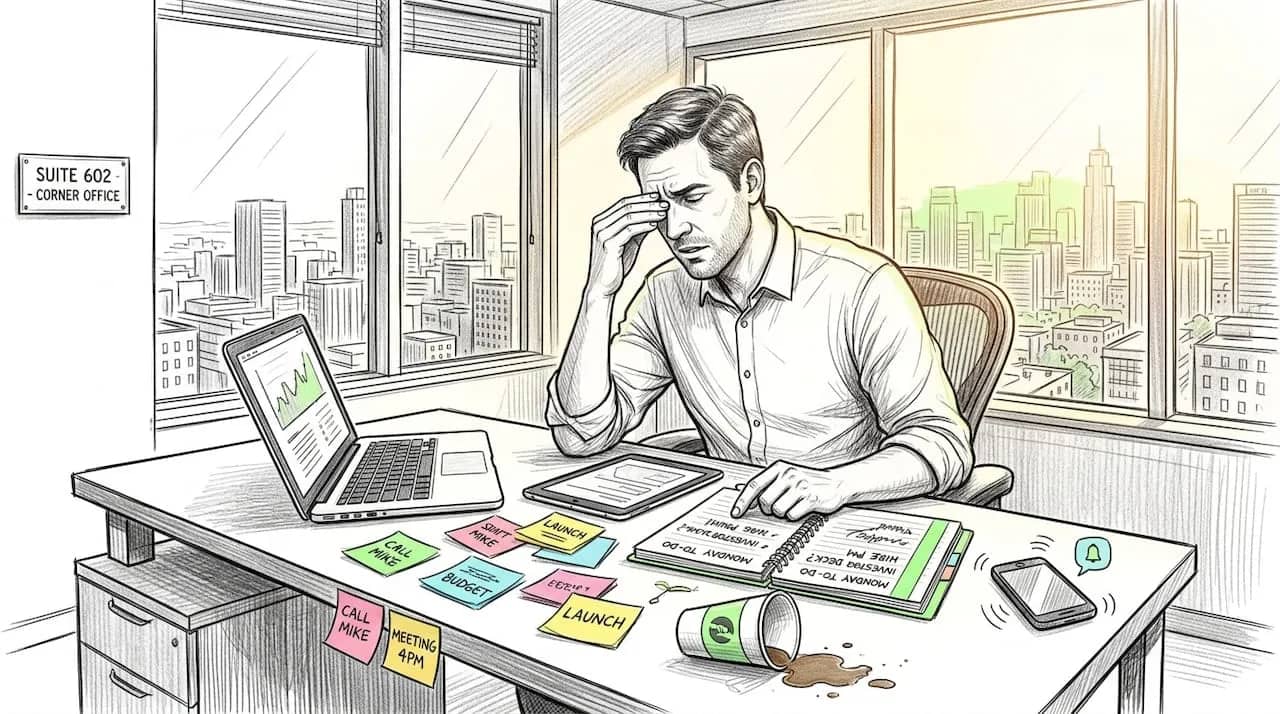
Entrepreneurship demands relentless energy, sharp decision making, and constant adaptation. Yet 70% of entrepreneurs report chronic stress that threatens both their health and business success. Managing stress isn’t optional for founders navigating competitive markets in 2026. This article delivers practical, evidence backed strategies to help you reduce stress, sustain peak performance, and build resilience throughout your entrepreneurial journey without sacrificing productivity or growth.
Table of Contents
- How To Choose Effective Stress Management Strategies: Criteria For Entrepreneurs
- Top Ways To Manage Stress For Busy Entrepreneurs In 2026
- Comparing Stress Management Methods: A Practical Table For Entrepreneurs
- Choosing The Right Stress Management Approach For Your Entrepreneurial Journey
- Discover Siift For Entrepreneurial Success And Stress Relief
Key takeaways
| Point | Details |
|---|---|
| Evaluate methods carefully | Choose stress management techniques based on feasibility, time investment, mental impact, and sustainability for your unique business context. |
| Combine complementary approaches | Pair mindfulness practices with AI productivity tools and physical activity to maximize stress reduction benefits. |
| Match strategy to business stage | Align stress management methods with your current entrepreneurial phase, workload patterns, and personal triggers. |
| Monitor and adjust regularly | Review effectiveness quarterly and modify your approach as your business evolves and demands shift. |
How to choose effective stress management strategies: criteria for entrepreneurs
Choosing stress management methods requires evaluating feasibility, time, mental impact, and sustainability to ensure techniques actually fit your entrepreneurial lifestyle. Too many founders adopt trendy wellness practices that demand unrealistic time commitments or clash with their natural work rhythms. The result? Abandoned routines and mounting guilt that compounds existing stress.
Focus on four critical criteria when evaluating any stress management approach. First, assess integration ease. Can you implement this method without overhauling your entire schedule? Second, calculate realistic time commitment. A technique requiring 90 minutes daily won’t work when you’re bootstrapping. Third, measure mental recharge benefit. Does this practice genuinely restore your cognitive capacity or just create another task? Fourth, evaluate adaptability. Will this method still serve you during crunch periods, travel, or business pivots?
Common pitfalls include inconsistent practice from choosing overly complex methods and poor alignment between technique and personality type. An introverted founder might thrive with solo meditation while an extrovert needs social physical activity. Another mistake is adopting multiple new practices simultaneously, creating overwhelm instead of relief.
Pro Tip: Start with one simple technique you can execute in under 10 minutes. Master consistency over three weeks before adding another method. This incremental approach builds sustainable habits that compound over time rather than ambitious plans that collapse under pressure.
Consider how working remotely pros and cons affect your stress profile. Remote founders face isolation and boundary challenges while office based entrepreneurs battle commute stress and constant interruptions. Your environment shapes which strategies will deliver maximum impact with minimum friction.
Top ways to manage stress for busy entrepreneurs in 2026
Several evidence based methods consistently help entrepreneurs reduce stress without sacrificing productivity. Understanding each approach’s mechanics and benefits lets you build a personalized toolkit.
Mindfulness meditation and controlled breathing deliver instant calm by activating your parasympathetic nervous system. Just five minutes of box breathing (inhale four counts, hold four, exhale four, hold four) lowers cortisol and sharpens focus. Apps like Headspace or Calm offer guided sessions designed specifically for busy professionals. The beauty of mindfulness is portability. You can practice between meetings, before difficult conversations, or when decision fatigue hits.
Mindfulness practices and AI productivity tools effectively reduce work-related stress by addressing both immediate symptoms and underlying causes. AI powered task management systems eliminate decision paralysis by prioritizing your workload based on deadlines, energy levels, and strategic importance. Tools that automate repetitive processes free cognitive bandwidth for creative problem solving. Smart calendar apps prevent overcommitment by analyzing your meeting patterns and suggesting protected focus blocks.
Structured time management transforms chaotic days into productive, balanced ones. The Pomodoro Technique (25 minute focus sprints with 5 minute breaks) prevents burnout while maintaining momentum. Time blocking ensures you allocate energy to high impact activities rather than reacting to every urgent request. Digital boundaries like scheduled email checks stop constant context switching that drains mental resources.
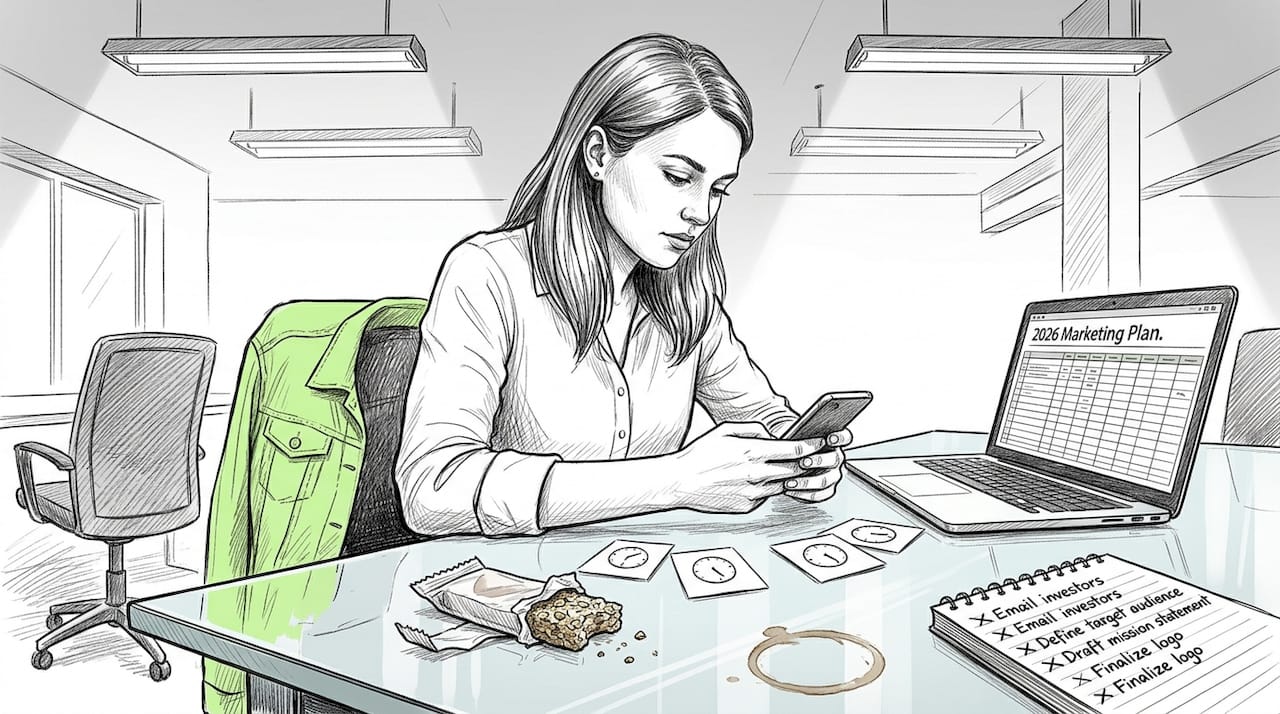
Regular physical activity provides both immediate stress relief and long term resilience. Exercise floods your brain with endorphins, improves sleep quality, and enhances cognitive function. You don’t need hour long gym sessions. A 20 minute walk, quick yoga flow, or resistance band routine between calls delivers measurable benefits. Movement also breaks rumination cycles where you replay problems without making progress.
Nutrition directly impacts stress response. Stable blood sugar from balanced meals prevents energy crashes and mood swings. Omega 3 fatty acids support brain health while excessive caffeine and sugar amplify anxiety. Meal prep on weekends eliminates the stress of daily food decisions when you’re already depleted.
Pro Tip: Stack two complementary methods for synergistic benefits. Combine a morning walk (physical activity) with a business podcast (learning) or pair afternoon breathing exercises (mindfulness) with task prioritization (AI tools). This maximizes value from limited time while addressing multiple stress dimensions simultaneously.
Comparing stress management methods: a practical table for entrepreneurs
Comparing methods side by side helps entrepreneurs select sustainable, effective strategies that match their business model and personal preferences. This table breaks down five popular approaches across key decision factors.
| Method | Time Requirement | Key Benefits | Challenges | Best For |
|---|---|---|---|---|
| Mindfulness meditation | 5 to 20 minutes daily | Reduces anxiety, improves focus, lowers cortisol quickly | Requires consistency, initial learning curve | Founders struggling with racing thoughts and decision paralysis |
| AI productivity tools | Setup time plus ongoing use | Automates tasks, optimizes schedule, prevents overcommitment | Initial configuration, potential tech learning | Entrepreneurs overwhelmed by administrative burden and task juggling |
| Physical exercise | 20 to 45 minutes most days | Boosts mood, enhances sleep, builds physical resilience | Needs scheduling discipline, energy investment | High energy founders who process stress through movement |
| Structured time blocking | 15 minutes planning daily | Creates boundaries, protects deep work, reduces reactivity | Requires discipline, may feel rigid initially | Side hustle founders balancing multiple commitments |
| Strategic delegation | Varies by tasks delegated | Frees bandwidth, develops team, scales capacity | Upfront training cost, trust building needed | Growth stage entrepreneurs ready to build systems |
Realistic expectations matter enormously. Mindfulness won’t eliminate business challenges but equips you to respond thoughtfully rather than react impulsively. AI tools streamline workflows yet still require your strategic input. Exercise provides energy but demands you actually schedule it. Time blocking creates structure that some personalities find liberating while others experience as constraining.
Sustainability trumps intensity. A modest practice you maintain for years delivers exponentially more value than an extreme program you abandon after two weeks. Match methods to your business model. Solopreneurs benefit most from AI automation and mindfulness since they lack team support. Founders managing teams gain leverage through delegation and structured systems. Remote entrepreneurs need extra attention to physical activity and social connection while office based founders must protect focus time from constant interruptions.
The most effective approach combines elements from multiple categories. Use AI tools to reclaim time, invest that time in physical activity and mindfulness, then apply your enhanced mental clarity to better time management and delegation decisions. This creates a reinforcing cycle where each practice amplifies the others.
Choosing the right stress management approach for your entrepreneurial journey
Customization and flexibility in using stress management tools lead to better adherence and outcomes because your stress triggers and business demands evolve constantly. What works during product development may fail during a funding round or major launch.
Start by identifying your unique stress signature. Do you experience physical symptoms like tension headaches and fatigue? Mental signs like racing thoughts and indecision? Emotional indicators like irritability and overwhelm? Behavioral changes like poor sleep and neglected self care? Understanding your personal stress profile reveals which interventions will deliver the fastest relief.
Consider your business stage and demands. Early stage founders juggling full time jobs need quick, portable techniques like breathing exercises and AI task managers. Growth stage entrepreneurs benefit from delegation systems and structured routines. Established business owners might invest in executive coaching or comprehensive wellness programs. Your available time, budget, and support resources shape realistic options.
Hybrid approaches often work best. Combine digital tools with physical practices for comprehensive coverage. Use an AI powered app to optimize your schedule, creating space for exercise and mindfulness. Let productivity automation handle routine decisions so you can invest mental energy in strategic thinking and relationship building. Pair data driven insights about your work patterns with intuitive practices that restore your humanity.
AI powered stress monitoring takes guesswork out of the equation. Wearables track physiological markers like heart rate variability and sleep quality. Productivity apps identify when you’re overcommitted or working inefficiently. Calendar analytics reveal meeting overload or insufficient recovery time. These objective measurements help you catch stress accumulation before it becomes crisis and validate which interventions actually move the needle.
Build a personalized plan with specific triggers, responses, and review cycles. Document what situations spike your stress (investor pitches, difficult team conversations, cash flow crunches) and which techniques help most in each scenario. Schedule monthly reviews to assess what’s working and adjust as needed. Your stress management system should evolve alongside your business, becoming more sophisticated as you scale.
Pro Tip: Create a stress first aid kit with go to techniques for different situations. Keep a breathing exercise for acute anxiety, a quick walk route for mental fog, a trusted advisor’s contact for major decisions, and an AI tool for overwhelm. Having predetermined responses prevents decision paralysis when you’re already depleted and need relief fast.
Remember that managing stress isn’t about eliminating all pressure. Entrepreneurship inherently involves uncertainty and challenge. The goal is building resilience so you can sustain peak performance over the long term without burning out. Strategic stress management becomes your competitive advantage, letting you outthink and outlast competitors who neglect their wellbeing.
Discover siift for entrepreneurial success and stress relief
Managing entrepreneurial stress requires both personal practices and smart technology that works alongside you. siift’s AI solutions for entrepreneurs reduce stress at its source by helping you make better strategic decisions faster and more confidently. The platform’s Intelligent Business Canvas guides you through ideation, validation, and go to market planning systematically, eliminating the uncertainty and second guessing that fuel founder anxiety.
Unlike generic AI tools, siift specifically addresses the unique challenges entrepreneurs face by filtering out biases, blindspots, and distractions that create unnecessary stress. The platform helps you validate ideas, identify genuine opportunities, and build strategies that accelerate traction. This clarity and direction naturally reduce the overwhelm many founders experience when navigating their journey alone.
Explore essential AI tools for entrepreneurs and learn how to address common founder problems with AI through siift’s growing resource library. The blog delivers ongoing insights about leveraging technology to work smarter, not harder, so you can focus energy on growth rather than grinding through avoidable stress.
FAQ
What are the quickest ways to reduce stress during a busy workday?
Box breathing (four counts in, hold, out, hold) activates your parasympathetic nervous system within 90 seconds, providing immediate calm during high pressure moments. A five minute walk around your building or neighborhood breaks rumination cycles and restores mental clarity. Stepping away from screens for even three minutes reduces eye strain and cognitive load. Using AI reminders to prompt breaks maintains consistency when you’re absorbed in work and likely to skip recovery periods that prevent burnout.
How can AI tools specifically help manage entrepreneur stress?
AI can analyze patterns to predict stress and suggest effective coping mechanisms by tracking your workload, meeting density, and productivity fluctuations over time. Smart systems send alerts when you’re approaching overcommitment thresholds based on historical data about your capacity. AI powered calendar tools automatically suggest optimal break timing and protect focus blocks when your schedule becomes dangerously packed. Task prioritization algorithms eliminate decision fatigue by ranking your to do list according to deadlines, dependencies, and strategic importance, letting you confidently focus on what truly matters each day.
What lifestyle habits best support long term stress management for entrepreneurs?
Regular physical activity (minimum 150 minutes weekly), balanced nutrition with stable blood sugar, and seven to eight hours of quality sleep create the physiological foundation for stress resilience. Consistency matters more than intensity. A daily 20 minute walk delivers more cumulative benefit than sporadic intense workouts. Meal prepping on weekends eliminates daily food stress and ensures proper nutrition when you’re busy. Protecting sleep by maintaining consistent bed and wake times, even on weekends, optimizes cognitive function and emotional regulation. These habits compound over months and years, dramatically improving your capacity to handle entrepreneurial pressure without breaking down.
Should I invest in professional stress management coaching or therapy?
Professional support accelerates progress when self directed methods plateau or when stress significantly impairs your functioning and decision making. A therapist helps identify root causes and thought patterns driving your stress response. Executive coaches provide accountability and frameworks tailored to entrepreneurial challenges. The investment typically pays for itself through improved productivity, better decisions, and avoided health costs. Consider professional help if you experience persistent sleep problems, relationship strain, physical symptoms, or find yourself unable to enjoy successes. Many successful founders credit therapy and coaching as critical factors in their sustained performance and wellbeing throughout demanding growth phases.