

Vibe marketing is taking over as businesses search for a deeper bond with their customers. It is not just about catchy ads or discounted prices anymore. Studies show that the human brain responds more intensely to emotional cues than to rational product details. Most would expect brands to double down on flashy features or social proof. Yet more companies are flipping the script and choosing to craft immersive experiences that feel more like real relationships than sales pitches. The biggest surprise is how this emotional strategy is turning buyers into devoted brand fans.
Table of Contents
Quick Summary
Takeaway | Explanation |
Vibe marketing creates emotional connections. | Focuses on the feeling a brand evokes rather than just product features. |
Authentic storytelling enhances brand loyalty. | Genuine narratives resonate more deeply, fostering lasting consumer relationships. |
Multisensory experiences engage consumers. | Leveraging various senses creates memorable interactions, strengthening brand recall. |
Digital platforms amplify vibe marketing. | Utilizing technology enables personalized storytelling and real-time engagement assessment. |
Cultural relevance is key to differentiation. | Brands that engage meaningfully with consumers’ values can stand out in a crowded marketplace. |
What is Vibe Marketing and Its Core Concepts?
Vibe marketing represents an innovative approach to brand communication that goes beyond traditional advertising methods. At its core, this strategy focuses on creating an emotional connection and distinctive atmosphere that resonates with target audiences through sensory and experiential elements.
The Emotional Core of Vibe Marketing
Vibe marketing is fundamentally about crafting a unique emotional landscape around a brand. Unlike conventional marketing strategies that primarily emphasize product features or price points, this approach prioritizes creating a feeling and establishing an authentic emotional connection.
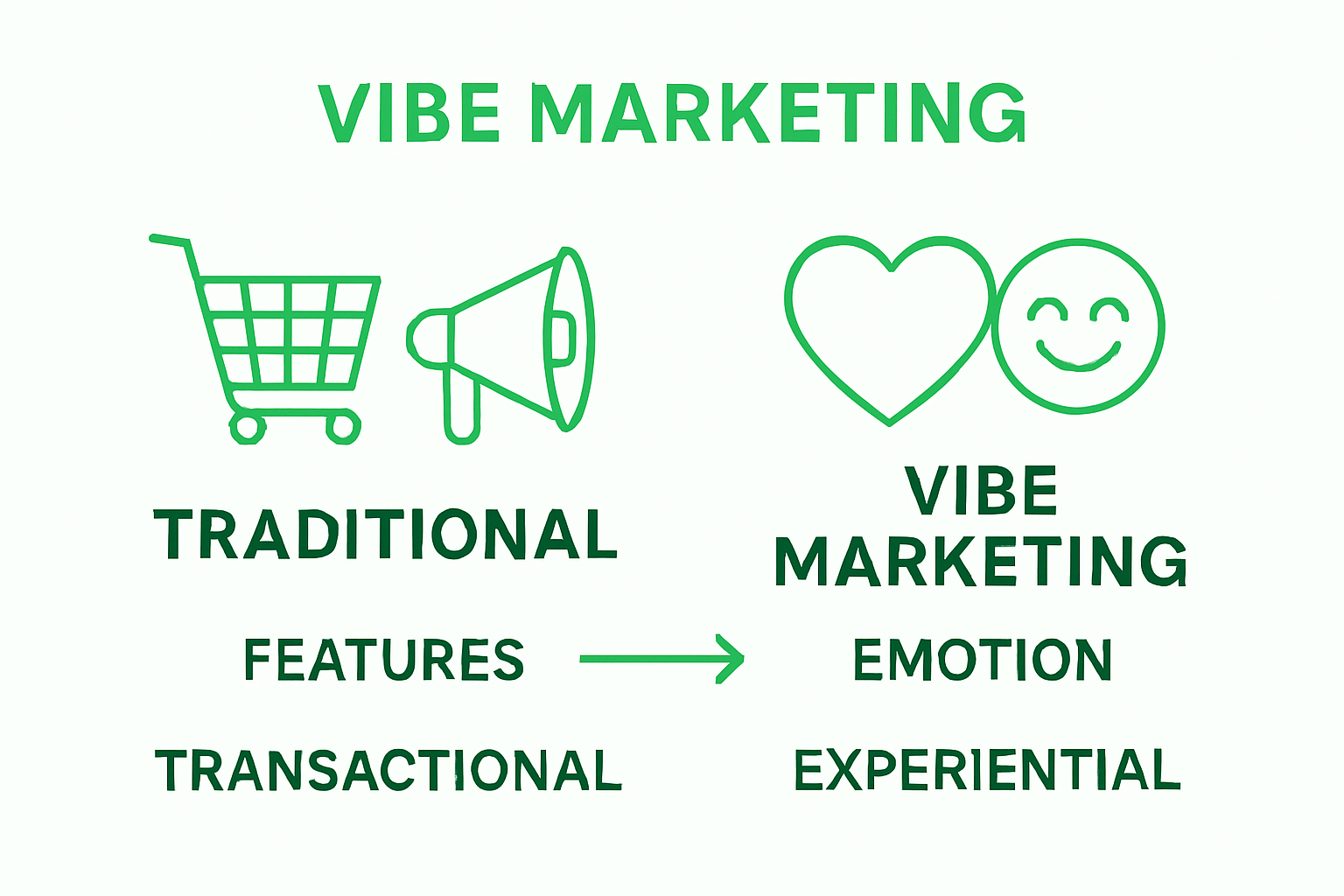
According to Dr. Jeremiah E. Shipp, atmosphere and intellectual engagement significantly impact audience perception.
Key characteristics of vibe marketing include:
Prioritizing emotional resonance over explicit product messaging
Creating immersive brand experiences
Designing communications that feel authentic and genuine
Leveraging sensory and experiential marketing techniques
Strategic Implementation of Vibe Marketing
Successful vibe marketing requires a nuanced understanding of audience psychology and brand identity. Brands must develop a holistic approach that integrates visual aesthetics, tone of communication, cultural relevance, and storytelling. This means moving beyond traditional demographic segmentation to create experiences that feel personalized and meaningful.
Effective vibe marketing strategies typically involve:
Consistent brand storytelling across multiple touchpoints
Developing a distinctive brand personality
Creating multi-sensory brand experiences
Utilizing digital and physical spaces to communicate brand essence
The ultimate goal of vibe marketing is to transform passive consumers into emotionally invested brand advocates who feel a genuine connection with the brand’s underlying philosophy and aesthetic.
To help clarify the core differences, here is a comparison of traditional marketing and vibe marketing approaches as discussed in the article.
Approach | Focus Area | Key Tactics | Consumer Relationship |
Traditional Marketing | Product features, price | Promotions, rational appeals | Transactional |
Vibe Marketing | Emotional connection, experiences | Storytelling, sensory design | Relational/Emotional |
Why Vibe Marketing Matters in Today’s Market
In an increasingly saturated digital landscape, businesses must differentiate themselves beyond traditional marketing approaches. Vibe marketing emerges as a critical strategy for brands seeking meaningful connections with their audiences in an era of information overload and rapidly shifting consumer preferences.
Emotional Intelligence in Marketing
According to Antonio Damasio, emotion is a necessary ingredient in decision-making. This scientific insight underscores why vibe marketing has become increasingly crucial. Modern consumers do not just purchase products they purchase experiences and feelings.
Key reasons vibe marketing matters include:
Cutting through digital noise and information saturation
Creating memorable brand interactions
Establishing deeper emotional connections
Transcending traditional transactional relationships
Competitive Differentiation Through Authentic Storytelling
In a world where consumers are bombarded with countless marketing messages, vibe marketing offers a powerful mechanism for standing out. By focusing on creating genuine emotional landscapes, brands can transform from mere product providers to cultural participants. This approach allows companies to develop more nuanced branding strategies that resonate on a more profound psychological level.
Strategic advantages of vibe marketing include:
Building long-term brand loyalty
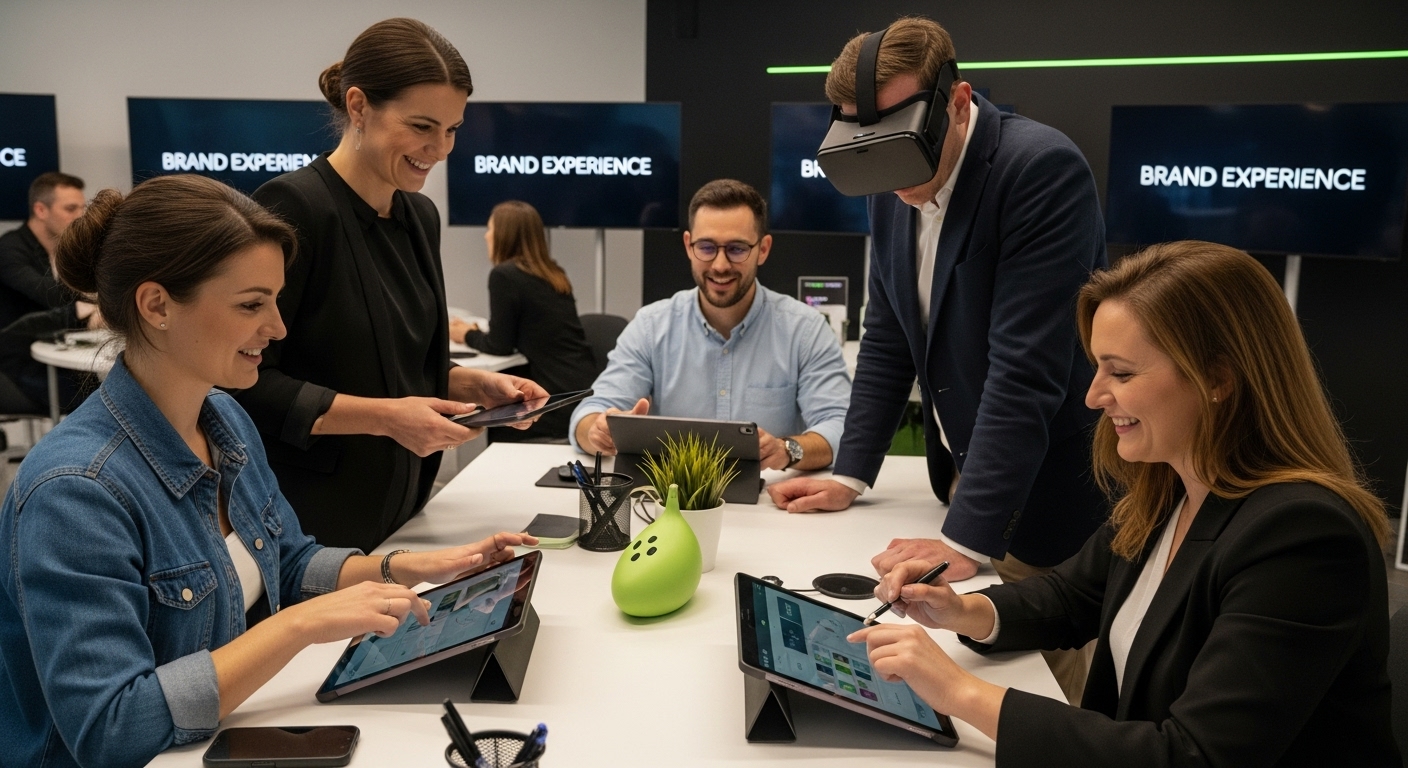
Generating organic word-of-mouth marketing
Attracting values-aligned customers
Creating communities around brand identities
Ultimately, vibe marketing represents more than a trend it is a fundamental shift in how brands communicate, connecting with audiences through shared emotions, experiences, and narratives.
How Vibe Marketing Works: The Psychology Behind It
Vibe marketing operates at the intersection of psychology, neuroscience, and brand communication. By understanding the intricate mechanisms of human emotional processing, brands can create powerful narrative experiences that transcend traditional marketing approaches.
Neurological Foundations of Emotional Connection
According to University of Southern California research, emotional connections are rooted in complex neurological processes. The human brain is wired to respond more intensely to emotional stimuli than rational information, making emotional resonance a critical marketing strategy.
Key psychological principles driving vibe marketing include:
Emotional priming and associative memory
Sensory engagement triggering memory recall
Narrative transportation and immersive experiences
Subconscious brand perception formation
Sensory Storytelling and Brand Identity
Vibe marketing leverages multisensory storytelling to create holistic brand experiences. This approach goes beyond visual aesthetics, engaging multiple sensory channels to build deeper, more memorable connections. Brands can learn strategic approaches to developing unique identities that resonate on emotional and psychological levels.
Critical psychological mechanisms in vibe marketing:
Triggering mirror neurons through relatable narratives
Creating positive emotional associations
Establishing trust through authentic communication
Generating neurochemical responses like oxytocin and dopamine
By understanding these psychological principles, brands can craft experiences that feel less like marketing and more like genuine human connection.
Below is a summary of key psychological principles that underpin effective vibe marketing strategies, providing a quick reference for understanding how these mechanisms support emotional brand connections.
Principle | Description |
Emotional priming | Stimulating emotions to influence brand perception |
Associative memory | Linking sensory cues to brand recall |
Narrative transportation | Immersing consumers in brand stories |
Mirror neuron activation | Fostering empathy through relatable experiences |
Neurochemical response | Enhancing trust and loyalty via oxytocin and dopamine release |
Real-World Applications of Vibe Marketing in Business
Vibe marketing transforms theoretical psychological principles into tangible business strategies across multiple industries. By understanding emotional resonance, brands can create powerful connections that transcend traditional transactional relationships.
Strategic Brand Experience Design
Companies are increasingly adopting vibe marketing to differentiate themselves in competitive markets. According to research exploring value-in-brand-page-experience, understanding emotional engagement can significantly enhance customer satisfaction and brand loyalty.
Key business applications of vibe marketing include:
Creating immersive customer journey experiences
Developing emotionally aligned brand narratives
Designing sensory-rich interaction touchpoints
Building community around brand values
Technology and Consumer Engagement
Modern businesses leverage digital platforms to amplify vibe marketing strategies. Organizations focused on purpose-driven approaches can particularly benefit from creating authentic emotional connections that resonate with conscious consumers.
Technological approaches to implementing vibe marketing involve:
Personalized digital storytelling
Interactive multimedia brand experiences
Sentiment-driven communication platforms
Real-time emotional engagement tracking
By integrating emotional intelligence into their core business strategy, companies can transform from mere product providers to meaningful cultural participants.
Take Your Vibe Marketing Strategy From Idea to Reality
Feel ready to forge an emotional connection with your audience, but unsure how to translate vibe marketing principles into action? Many founders struggle to create authentic, immersive brand experiences that truly resonate. This article explored the challenges of standing out through emotional storytelling, consistent branding, and real psychological connection—pain points familiar to anyone trying to build a business that means something.
At siift, you do not have to tackle these challenges alone. Our intuitive AI acts as your compass, helping you turn the emotional insights and branding strategies from this article into prioritized next steps for your unique business. Get guided, personalized feedback so you can craft memorable experiences and build genuine brand loyalty. You can start transforming your vibe marketing vision into a step-by-step game plan right now. Ready to unlock the power of brand emotion? Join siift today and begin your founder’s journey with confidence.
Frequently Asked Questions
What is vibe marketing?
Vibe marketing is an innovative brand communication strategy that focuses on creating emotional connections and an immersive atmosphere that resonates with target audiences through sensory and experiential elements.
How does vibe marketing differ from traditional marketing?
Unlike traditional marketing, which emphasizes product features and price points, vibe marketing prioritizes emotional resonance and seeks to create authentic connections through experiences rather than direct product messaging.
Why is emotional intelligence important in vibe marketing?
Emotional intelligence is crucial in vibe marketing because it helps brands create memorable interactions that cut through digital noise, establish deeper connections with consumers, and transform transactional relationships into emotional investments.
What are the key components of an effective vibe marketing strategy?
Key components include consistent brand storytelling, developing a distinctive brand personality, creating multi-sensory brand experiences, and leveraging both digital and physical spaces to communicate the brand’s essence.